Thinking about moving to Canada?
You’re not alone. Every year, thousands of people like you pick Canada for its excellent schools, strong job market, and high quality of life. Whether you’re dreaming of studying there, building your career, or bringing your family along for a fresh start, it’s easy to see the appeal.
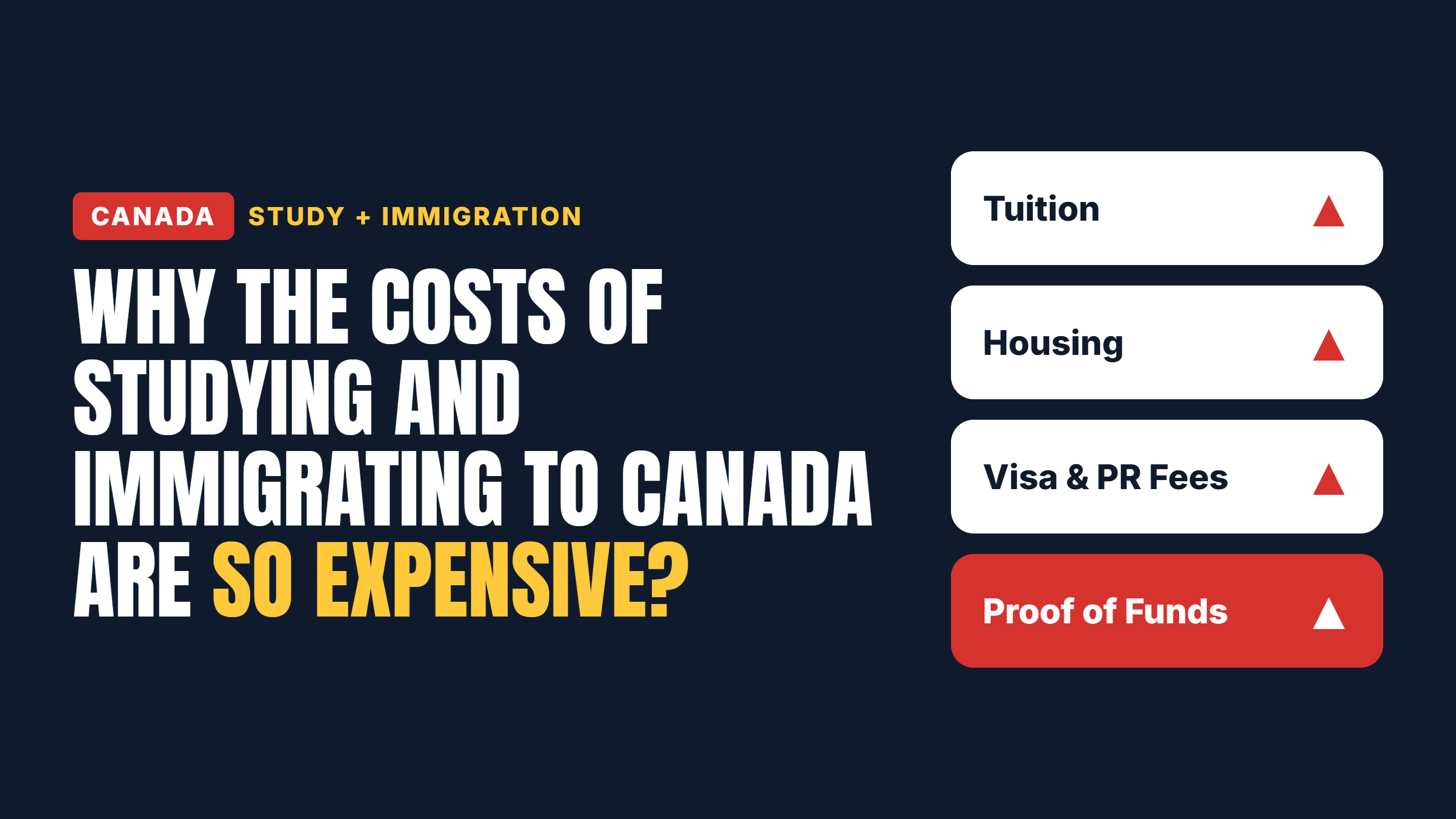
But here’s something worth knowing before you pack your bags: the move can cost more than you might expect. Your tuition fees, daily living expenses, visa application, and work permit all add up, and the final number can be a real surprise if you haven’t planned for it.

The good news is that you can prepare. If you understand these costs now, you can budget with confidence, avoid last-minute stress, and start your Canadian journey on solid financial footing.
Causes Behind That Makes migrating to Canada Expensive
1. High Tuition Fees for International Students
Canadian colleges and universities charge international students different rates than they charge locals, and what you’ll pay depends on the school, your course, and your level of study. If you’re eyeing a professional or specialised program, expect it to cost more than some general ones. Don’t forget the extras either: books, study materials, health insurance, and other academic fees can add up quickly.
2. Rising Cost of Living in Canada
Tuition is only one piece of your budget. You’ll also be covering rent, groceries, transport, your phone bill, and everyday essentials. Where you choose to live makes a big difference. A flat in a big city will usually cost you more than a home in a smaller town. You may also need to pay a deposit before you move into your accommodation, so keep some cash ready for that.
3. Visa and Immigration Application Fees
Before you even land, you’ll need to pay government fees to apply to study or work in Canada. Depending on your situation, that could mean a study permit, work permit, biometrics, medical exam, language test, educational assessment, or other documents. The good news is that you won’t need all of these, so your total depends on the immigration route you choose.
Always check the latest requirements and fees before you submit your application. And keep in mind that paying the fee doesn’t guarantee approval. What really helps your case is giving accurate information and submitting complete documents.
4. Cost of a Canadian Open Work Permit
A Canadian open work permit allows eligible foreign nationals to work for most employers in Canada without being restricted to one specific employer. However, not everyone qualifies for this type of permit.
Eligibility depends on the applicant’s circumstances and the specific immigration rules that apply to them. Certain spouses of eligible workers or students, for example, may qualify under specific conditions.
It is important to understand that an Open Work Permit is not a general option available to every foreign worker. Before applying, check whether you meet the current eligibility requirements and which documents you need.
5. LMIA and Work Permit Application Costs
If you’re planning to work in Canada, it helps to understand the Labour Market Impact Assessment (LMIA). It’s a document your employer may need before they can hire you as a foreign worker, and it helps confirm that hiring you fits the rules. When an LMIA is required, your employer is generally the one who pays the processing fee, not you.
One thing to keep straight: a work permit based on an LMIA is usually different from an Open Work Permit. You normally don’t need an LMIA for an open work permit, but you do have to qualify under a specific open work permit category.
How Can You Manage Your Canada Immigration Budget?
Studying or settling in Canada can be expensive, but good planning puts you in control of your money.
Start by researching the college, course, or immigration pathway you’re interested in. Then compare the total cost of each option rather than focusing only on the initial application fee.
Here’s what to keep in mind:
- Look up the latest government fees and eligibility requirements.
- Get your proof of sufficient funds ready before you apply for a study permit.
- Compare rent and living costs across different cities.
- Check whether scholarships or other genuine financial aid are available to you.
- Don’t commit your money based on promises of a guaranteed visa or job.
- Talk to a qualified professional if you’re not sure which pathway suits your situation.
Why Choose Imperial Immigration?
Planning your move to Canada takes more than filling out forms. You’ll want to understand your options, check whether you’re eligible, gather the right documents, and know what costs to expect along the way.
That’s where Imperial Immigration comes in. We help you understand Canadian immigration pathways and prepare for your next steps. Whether you’re exploring study opportunities, an LMIA-based work permit, or whether you qualify for a Canadian open work permit, the right information helps you make decisions you feel confident about.
If you’re searching for the best immigration consultation in Edmonton, or comparing the best immigration consultants company in Edmonton, look for a team that communicates openly, has relevant experience, and gives you guidance based on current immigration rules.
Conclusion
The cost of studying and immigrating to Canada can feel overwhelming, because it goes well beyond visa fees. The best thing you can do is plan early, research your options, and understand the requirements before you spend any money.
Thinking about studying or working in Canada? Get in touch with Imperial Immigration to talk through your situation and explore the options that may suit you best.